Ocean Freight Services for U.S. International Trade
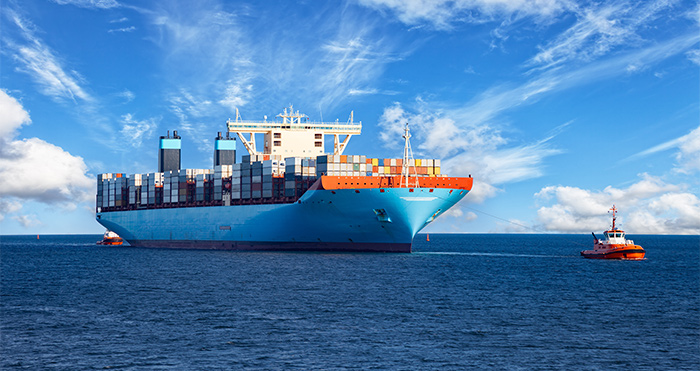
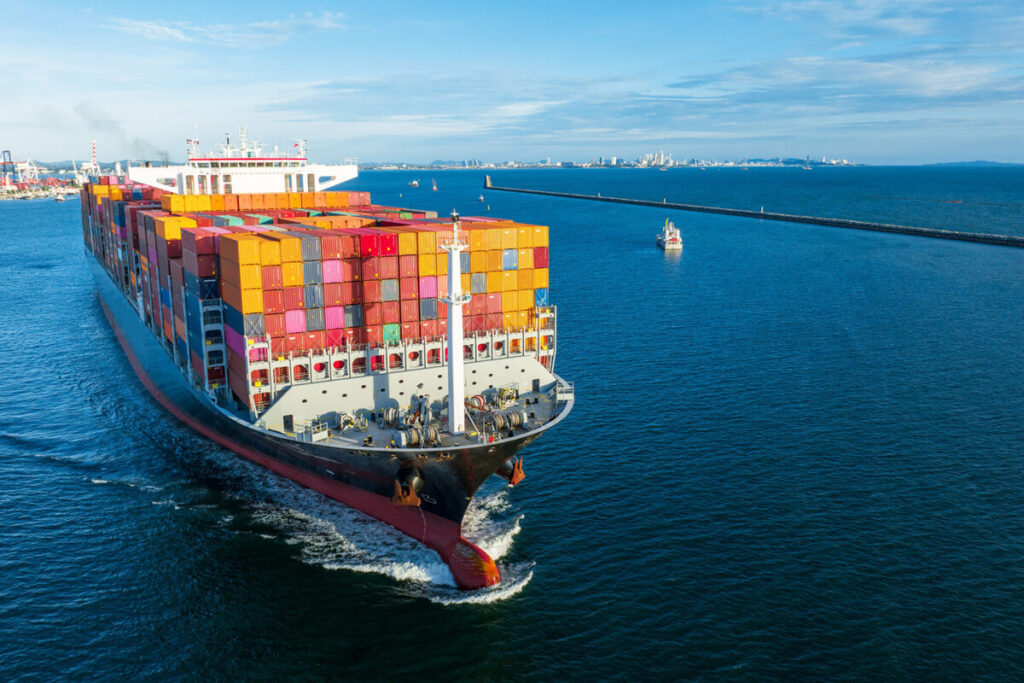
Moving commercial cargo across international markets requires a transportation method that fits the shipment’s volume, origin, destination, and delivery requirements. Ocean freight is commonly used for larger international shipments, particularly when cargo needs to travel long distances and transit speed is not the primary consideration. It can support import and export movements involving raw materials, finished products, inventory, and other commercial goods.
Norfleet Transportation helps coordinate international freight based on the shipment details and transportation requirements provided by the customer. For U.S. companies managing inbound or outbound cargo, our team can review the shipment requirements and help determine an appropriate ocean shipping solution for the planned movement.
When Ocean Freight Is the Right Choice
Not every shipment requires air transportation. For many businesses, sea shipping provides a practical balance between cost and capacity, especially for larger or heavier cargo.
Businesses often consider sea freight when shipping:
Manufacturing materials
Retail inventory
Consumer goods
Industrial equipment
Non-perishable commercial products
Containerized international shipments
The most suitable shipping method depends on delivery deadlines, cargo characteristics, destination, and overall logistics requirements.
How Ocean Freight Shipping Works
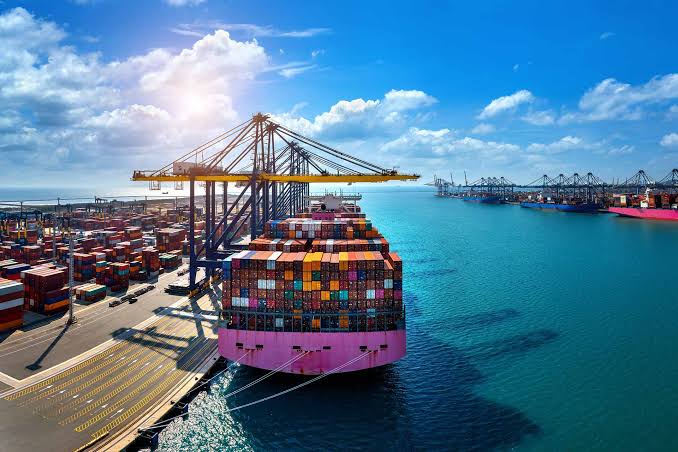
International shipments involve multiple stages before cargo reaches its destination. Depending on the shipment, freight may move from the shipper’s location to a port, travel by ocean vessel, and continue to its final destination through inland transportation.
Planning ocean freight shipping requires accurate shipment information, including cargo dimensions, weight, origin, destination, and required delivery schedules. Providing complete details early helps support efficient shipment coordination throughout the shipping process.
Planning International Freight Shipments
Successful international shipments begin with careful preparation. Businesses should gather shipment details before requesting a quote to help determine the most appropriate shipping solution.
Important information includes:
Pickup location
Destination country
Cargo dimensions and weight
Commodity description
Container requirements
Required delivery schedule
Documentation requirements, when applicable
Accurate shipment information helps streamline planning and supports more efficient ocean logistics throughout the shipment.
Ocean Shipping and Inland Transportation
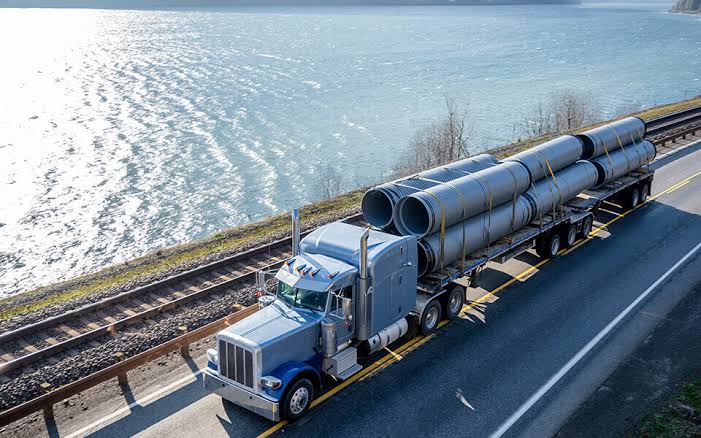
International cargo often requires coordinated transportation before it reaches a port and after it arrives at its destination. Depending on the origin, destination, and shipment requirements, freight may need to move by truck or rail as part of the overall transportation plan.
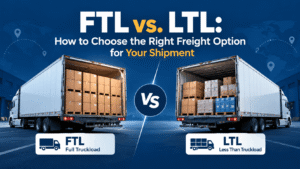
For inland movements, businesses may consider Intermodal Transportation when rail and trucking can support the shipment requirements.Full Truckload (FTL) Services and LTL Shipping can also be suitable for domestic freight movements connected to an international shipment.
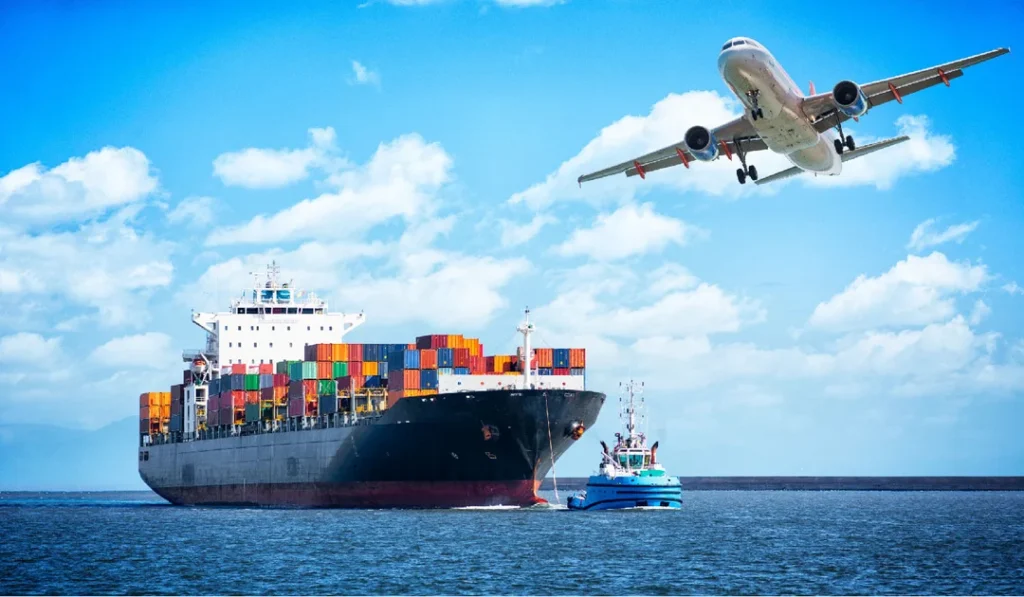
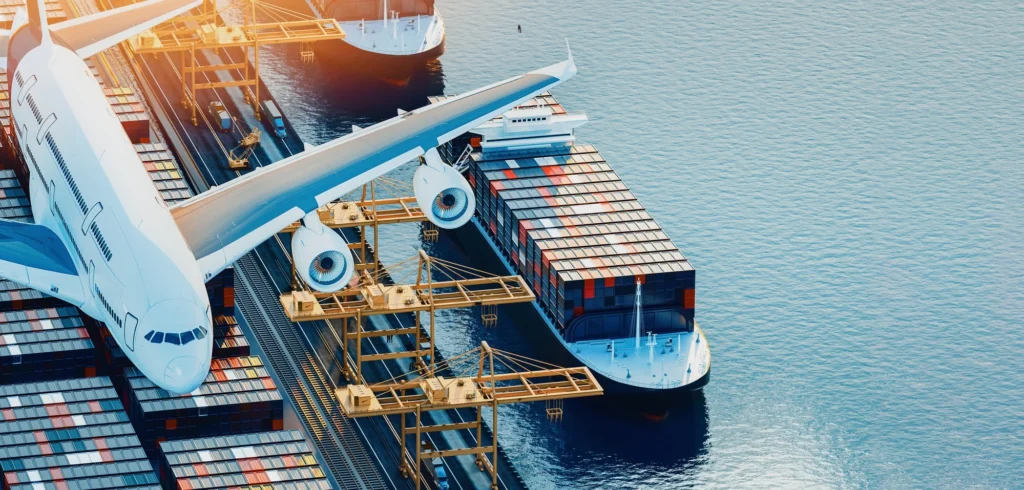
When delivery timing is more important than the cost advantages of ocean transportation, Air Freight Services may be a better option for urgent international cargo. The appropriate mode depends on factors such as shipment size, delivery requirements, origin, destination, and transportation schedule.
Choosing the Right Shipping Method
International shipments can require different transportation approaches depending on cargo volume, destination, delivery schedule, and cost considerations. Ocean freight may be appropriate for larger shipments where transit speed is less critical, while other transportation modes may better suit smaller or more time-sensitive cargo.
Norfleet Transportation reviews the shipment details provided by each customer to help identify an appropriate transportation option. Considering the cargo requirements and delivery objectives before booking can help businesses choose a practical approach for their international freight movement.
Request an Ocean Freight Quote
Planning an international shipment starts with understanding the cargo, origin, destination, and required delivery timeframe. Norfleet Transportation can review these details with you and help identify an appropriate freight option for your shipment.
If you are moving commercial cargo into or out of the United States, contact Norfleet Transportation to discuss your shipping requirements and request an ocean freight quote. Our team can help you evaluate the transportation approach based on your shipment and supply chain needs.
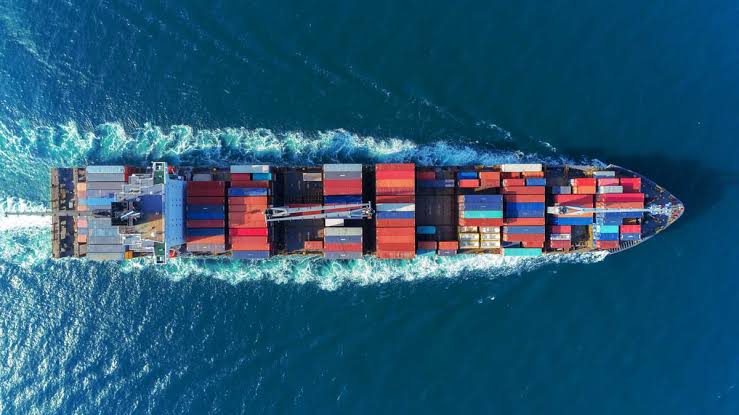
Ocean freight is the transportation of commercial cargo by sea between international ports. It is commonly used for shipments that require cost-effective transportation over long distances.
When is sea freight a better option than air freight?
Sea freight shipping is often preferred for larger, heavier, or less time-sensitive shipments where transportation costs are an important consideration. Air freight is generally selected when delivery speed is the highest priority.
What types of cargo can be shipped by ocean?
Many types of ocean cargo can be transported by sea, including manufacturing materials, retail products, industrial equipment, consumer goods, and other commercial freight, depending on shipping regulations and container requirements.
What information is needed to request an international freight quote?
To help plan international freight, businesses should provide the shipment origin, destination, cargo dimensions, weight, commodity details, preferred shipping timeline, and any special handling or documentation requirements.
How does ocean shipping fit into the overall supply chain?
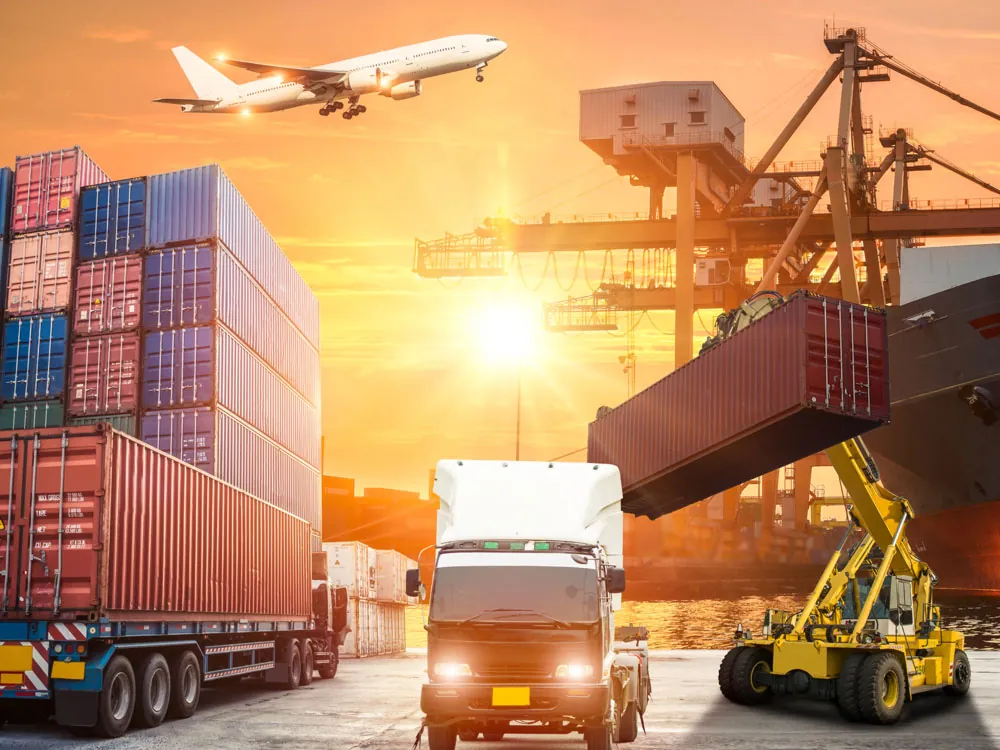
International shipments often include inland pickup, port handling, sea transport, and final delivery. Coordinating each stage helps businesses keep freight moving efficiently from origin to destination.
Thank You!
Thanks for the submission. We will get back to you right away!