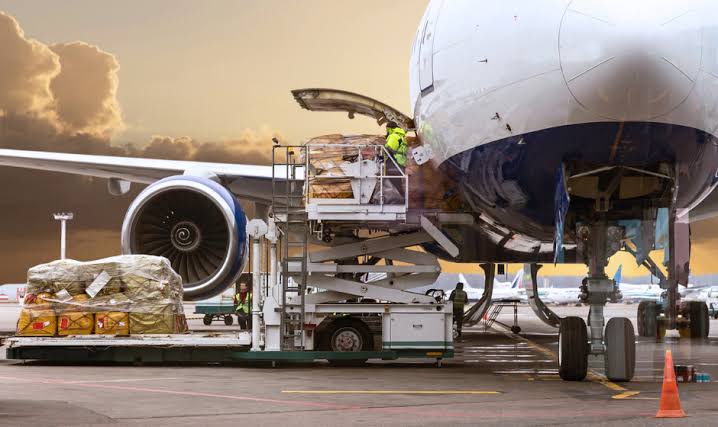
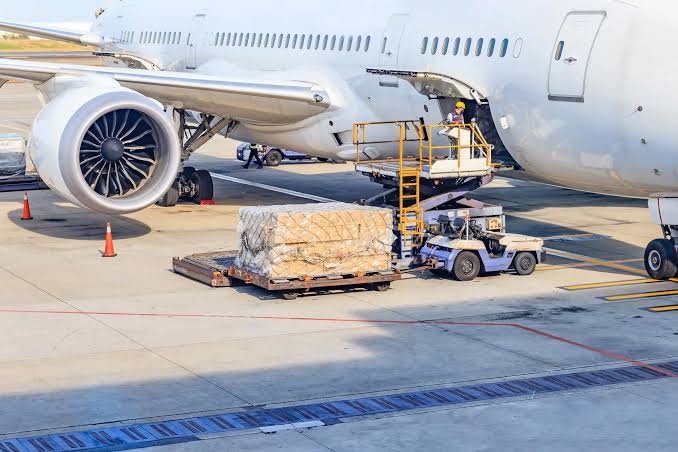
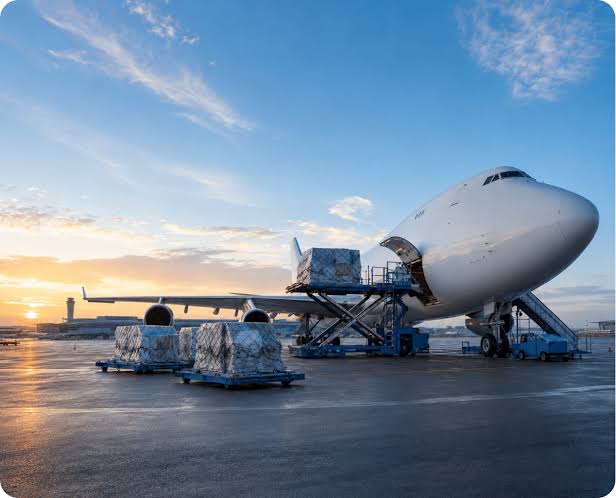
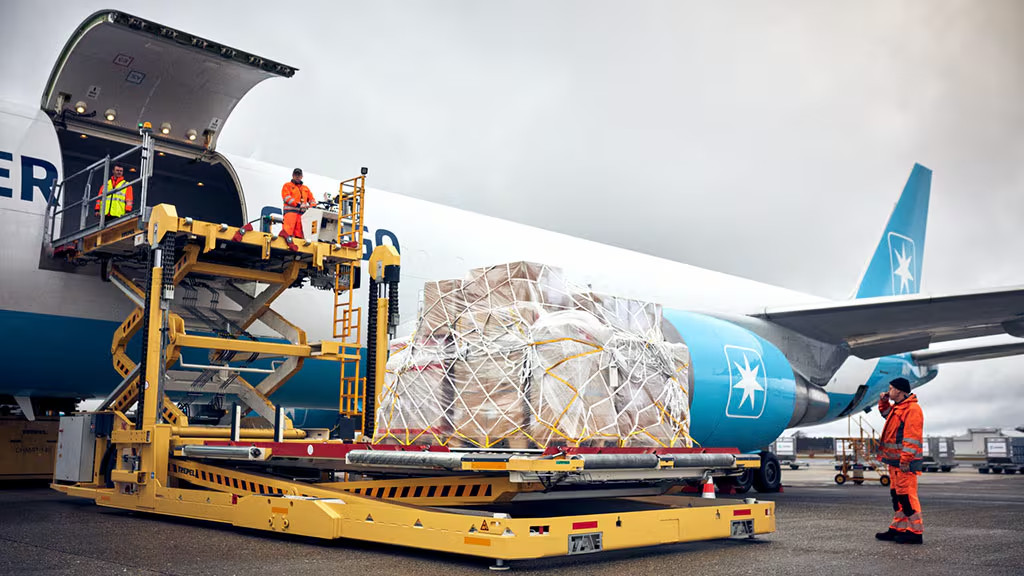
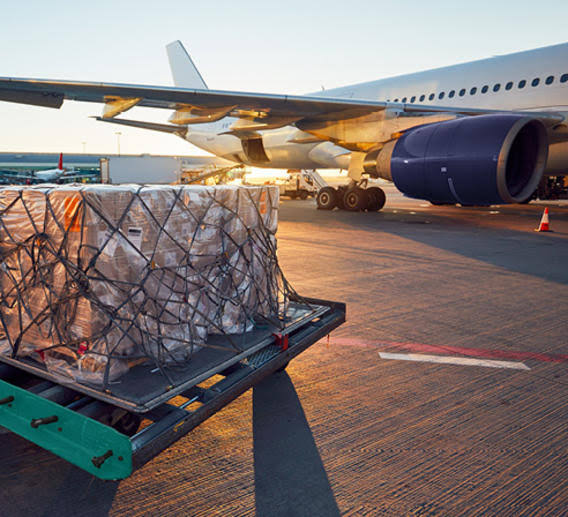
When delivery schedules leave little room for delay, air transportation can help businesses move commercial cargo faster than many traditional shipping methods. Air freight is commonly considered for urgent inventory, production components, replacement equipment, and other shipments where transit time is an important factor.
Norfleet Transportation helps coordinate air shipments based on cargo requirements, origin, destination, and delivery expectations. For U.S. companies managing domestic or international freight, our team can review the shipment details and help identify an appropriate transportation option.
When Air Freight Makes Sense
Not every shipment requires air transportation. Businesses generally consider air freight services when faster movement is important to production schedules, inventory availability, customer commitments, or other operational requirements.
Air transportation may be considered for:
Emergency replacement parts
Manufacturing components
Medical equipment and supplies
Retail inventory replenishment
Electronics
High-value commercial goods
Time-sensitive business shipments
The appropriate shipping method depends on factors such as cargo characteristics, shipment size, destination, delivery requirements, and available transportation options.
Why Choose Air Transportation for Urgent Cargo?
Businesses often compare multiple transportation methods before deciding how their freight should move. Trucking may work well for many domestic shipments, while ocean transportation can be practical for larger international cargo that can accommodate longer transit times. Air transportation becomes more relevant when reducing transit time is a primary consideration.
Because air shipments often involve specific schedules and shipment requirements, early planning can make it easier to coordinate cargo availability, pickup arrangements, and delivery expectations. The goal is to select a transportation method that fits the shipment rather than choosing air service solely because the freight is urgent.
Preparing a Shipment for Air Freight Shipping
Successful air freight shipping begins with accurate information. Before transportation is arranged, businesses should provide complete shipment details so the transportation requirements can be reviewed and appropriate scheduling options can be considered.
Important information includes:
Pickup location
Final destination
Cargo dimensions
Shipment weight
Commodity description
Required delivery window
Special handling requirements
Having these details ready helps reduce unnecessary delays during planning and gives the transportation team a clearer understanding of the shipment.
Connecting Air Cargo With Other Transportation Modes
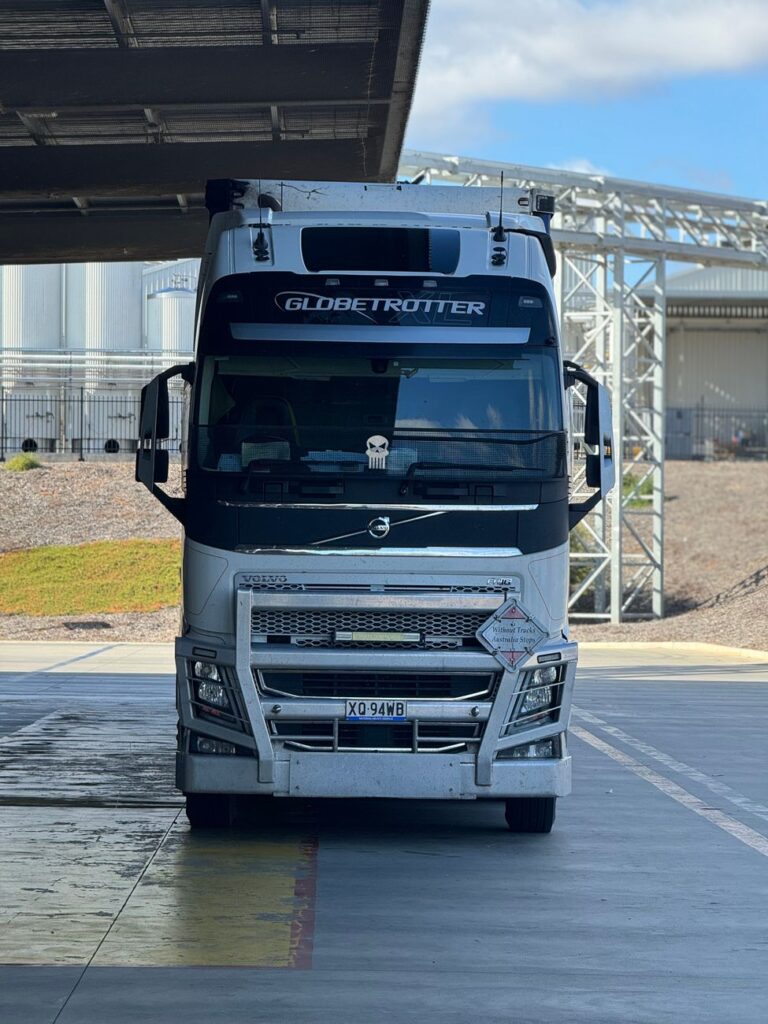
International and domestic supply chains frequently use more than one transportation mode to complete a shipment. Air cargo freight may require truck transportation to move cargo to an airport and continue to its final destination after arrival.
For international cargo where transit time is less restrictive, Ocean Freight can provide another transportation option.Businesses moving long-distance freight within the United States may also consider Intermodal Transportation, while domestic shipments moving primarily by truck can be coordinated through Full Truckload (FTL) Services or Less Than Truckload (LTL) Shipping.
Evaluating an Air Freight Provider
Selecting an air transportation provider involves more than comparing transit speed. Businesses should consider how shipment information is reviewed, how transportation requirements are coordinated, and how communication is handled throughout the shipping process.
Norfleet Transportation works with customers to review freight requirements, delivery priorities, and available transportation options. Each shipment is considered according to its individual characteristics so businesses can make a transportation decision based on their actual shipping needs.
Request an Air Freight Quote
If your shipment requires faster transportation, Norfleet Transportation can help you evaluate whether air freight is appropriate for your requirements. Our team can review your cargo details, origin, destination, and delivery expectations to help determine a suitable shipping approach.
Air freight is commonly used to transport commercial cargo when faster transit is an important consideration. It may be suitable for replacement parts, manufacturing components, electronics, medical supplies, inventory, and other time-sensitive shipments.
When should I choose air transportation instead of ground shipping?
Air transportation may be appropriate when the required delivery timeframe is difficult to meet through standard ground transportation. The decision should consider shipment size, origin, destination, delivery deadline, and overall transportation requirements.
What types of cargo can be shipped by air?
Air cargo can include commercial products such as electronics, manufacturing components, medical supplies, replacement equipment, retail inventory, and other goods suitable for air transportation. Specific requirements depend on the cargo and shipment details.
What information is needed for an air freight quote?
Businesses should provide the pickup and delivery locations, cargo description, dimensions, weight, required delivery timeframe, and any special handling requirements. Complete information helps the transportation provider evaluate the shipment accurately.
Can air cargo include truck transportation?
Yes. A shipment may require trucking before the cargo reaches the airport or after it arrives at its destination. Coordinating these transportation stages is an important part of planning an efficient shipment.
Thank You!
Thanks for the submission. We will get back to you right away!