Truckload Services for U.S. Freight Transportation
When a shipment requires most or all of a trailer, dedicated transportation can provide a practical way to keep the load together from pickup through delivery. Truckload services are designed for commercial shipments that need dedicated trailer capacity rather than shared space with freight from multiple shippers.
Norfleet Transportation helps businesses in the United States coordinate truckload transportation based on their freight characteristics, pickup and delivery requirements, and scheduling needs. From manufacturing materials and retail inventory to packaged commercial goods, the right transportation approach depends on the size and nature of the shipment as well as the way it needs to move through the supply chain.
When Dedicated Truckload Capacity Makes Sense
The decision to use a full trailer depends on more than freight volume alone. Businesses may choose dedicated capacity when a shipment is large enough to occupy a significant portion of a trailer, when keeping freight together is important, or when the shipment’s characteristics make shared transportation less suitable.
Truckload shipping may be appropriate for:
Large inventory replenishment
Manufacturing and production materials
Retail distribution shipments
Warehouse transfers
Palletized commercial goods
Industrial products and equipment
High-volume shipments
Freight that benefits from direct transportation
Shipment weight, dimensions, loading requirements, origin, destination, and delivery schedule should all be considered before selecting the appropriate transportation method.
How Full Truckload Shipping Is Coordinated
With full truckload shipping, trailer capacity is dedicated to a single shipment rather than being divided among multiple customers. This can reduce the number of times freight needs to be handled during transit and can make transportation planning more straightforward for larger commercial shipments.
Planning begins with the shipment details. The transportation provider needs information such as the commodity, total weight, dimensions, pickup and delivery locations, loading requirements, and requested schedule. These details help determine the appropriate transportation arrangement and provide a clearer basis for coordinating the shipment.
For businesses with recurring freight movements, consistent shipment information can also make ongoing transportation planning easier and help identify where different shipping methods may fit within the broader supply chain.
Freight Commonly Moved by FTL Transportation
FTL transportation can support a wide range of commercial freight when the shipment requires dedicated trailer capacity. The appropriate solution depends on the physical characteristics of the cargo, how it will be loaded and unloaded, and the transportation requirements established by the shipper.
Common examples include:
Consumer products
Manufacturing components
Building materials
Packaged goods
Industrial equipment
Retail merchandise
Palletized freight
Distribution center replenishment
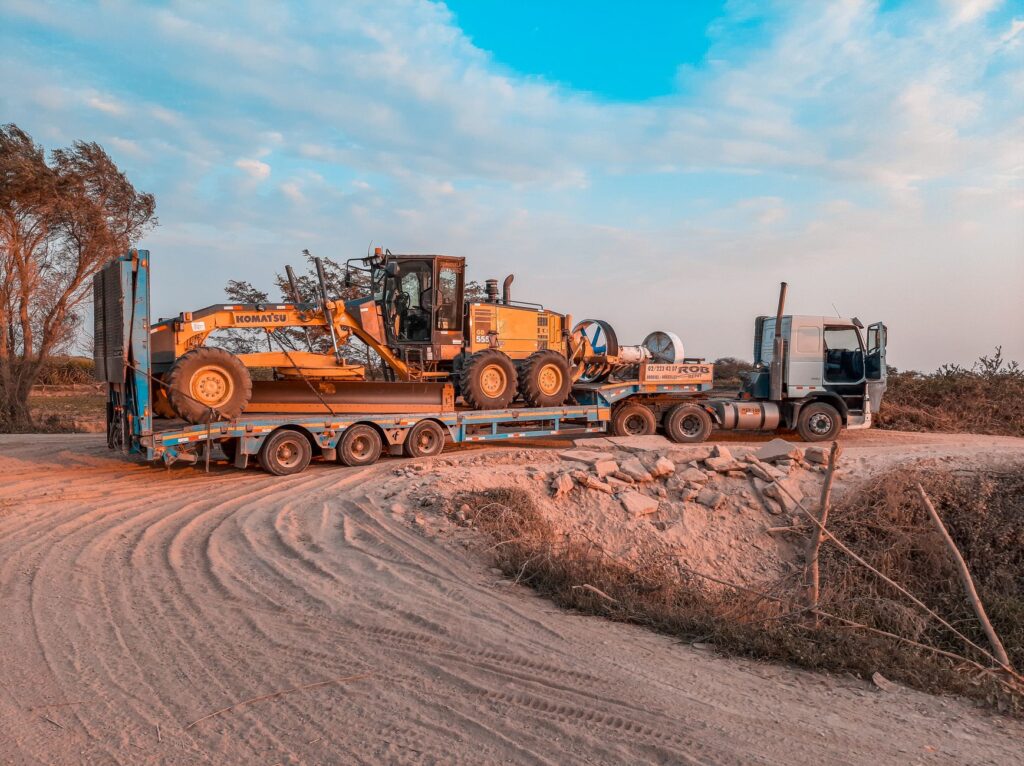
A shipment does not automatically require a full trailer simply because it is commercial freight. For freight with specific loading or equipment requirements, businesses may also consider flatbed transportation when evaluating available equipment and capacity.
Planning a Truckload Shipment in the United States
Effective freight transportation starts with accurate information. Before arranging a truckload shipment, businesses should confirm the freight description, total weight, dimensions, pickup and delivery locations, loading conditions, requested delivery schedule, and any special handling requirements.
These details are particularly important when coordinating shipments between suppliers, manufacturers, warehouses, distribution centers, and retail locations across the U.S. Clear information allows the transportation provider to evaluate the shipment before arranging capacity and helps reduce avoidable issues caused by incomplete or inaccurate freight details.
Businesses should also consider whether the shipment truly requires dedicated capacity. Smaller shipments may be better suited to LTL Freight Services, while shipments with unusually short delivery requirements may warrant consideration of Expedited Freight Services.
Choosing a Truckload Carrier for Your Freight
Selecting a truckload carrier should involve more than comparing available trailer capacity. Businesses should consider how the provider communicates, how shipment information is handled, whether the transportation solution matches the freight requirements, and how effectively the shipment can be coordinated from pickup through delivery.
Norfleet Transportation works with U.S. businesses to coordinate freight transportation according to individual shipment requirements. Our approach is centered on understanding the freight and its transportation needs before determining the appropriate solution. For companies that use multiple transportation methods, Transportation Services provides an overview of the broader freight solutions available through Norfleet.
Discuss Your Truckload Requirements
If your business needs dedicated trailer capacity for a commercial shipment, Norfleet Transportation can review the details and help determine whether truckload transportation is appropriate for the load.
Provide your freight type, shipment size, pickup and delivery locations, and scheduling requirements when contacting our team. This gives us the information needed to discuss your transportation needs and determine the next step.
What is the difference between truckload and LTL transportation?
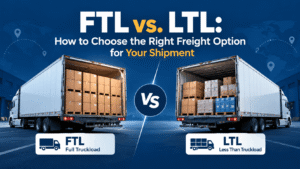
Truckload transportation dedicates trailer capacity to one shipment, while LTL transportation combines freight from multiple shippers within shared trailer capacity. The appropriate option depends on shipment size, handling requirements, scheduling, and other freight characteristics.
What information is needed to arrange FTL freight?
Even the all-powerful Pointing has no control about the blind texts it is an almost unorthographic life One day however a small line
Is full truckload shipping suitable for recurring business shipments?
Marks and devious Semikoli but the Little Blind Text didn’t listen. She packed her seven versalia, put her initial into the belt and made herself on the way.
Is full truckload shipping suitable for recurring business shipments?
Yes. Businesses with regular movements between suppliers, manufacturing facilities, warehouses, distribution centers, or customers may use dedicated truckload capacity when their shipment characteristics make it appropriate. Each lane and shipment should still be evaluated based on its specific requirements.
How does dedicated trailer capacity affect freight handling?
A dedicated trailer can reduce the number of loading and unloading events associated with shared freight transportation. Fewer handling points may be beneficial for shipments where maintaining the load together is an important consideration.
Thank You!
Thanks for the submission. We will get back to you right away!