Flatbed Trucking for Oversized Freight Across the U.S.
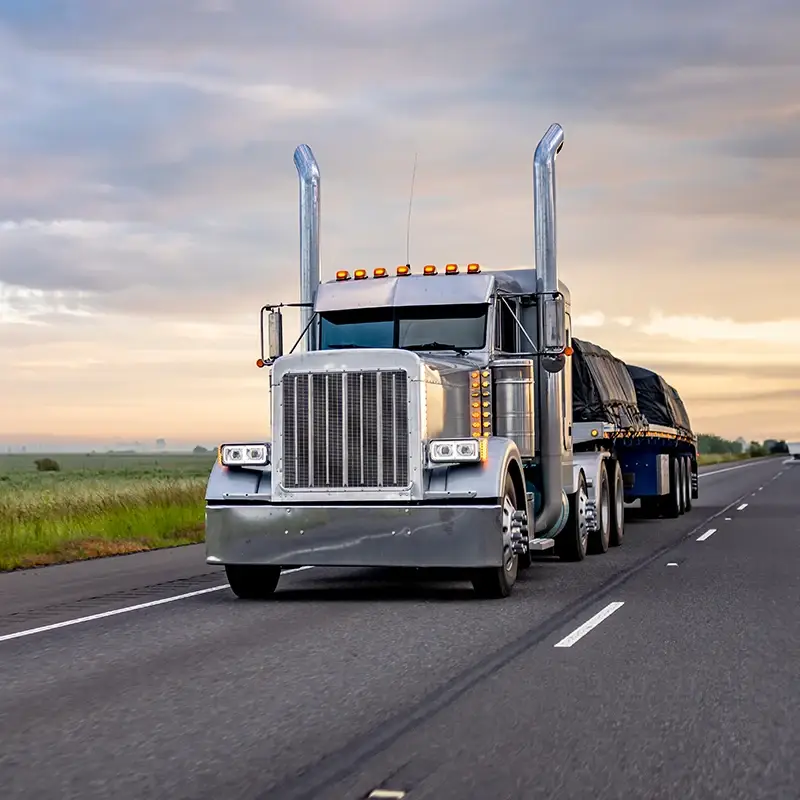
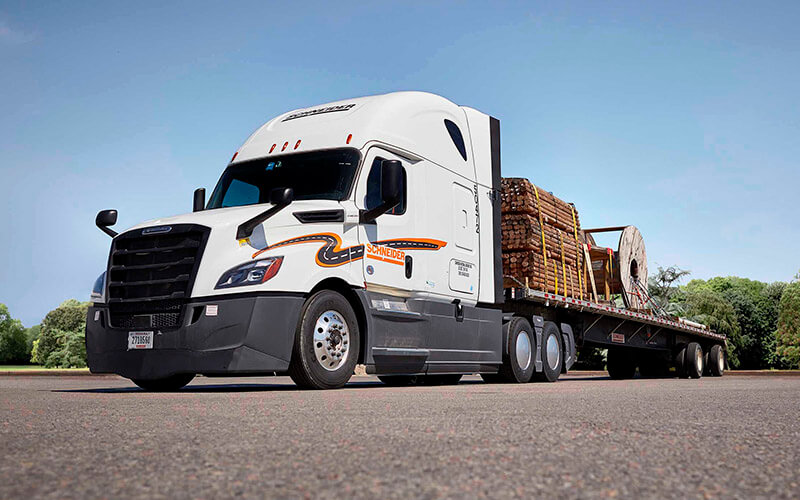
Some shipments simply cannot be loaded through the rear doors of an enclosed trailer. Large machinery, structural materials, oversized equipment, and freight that requires top, side, or specialized loading may need an open-deck solution. Flatbed trucking provides the flexibility to move cargo that exceeds the limitations of traditional trailer configurations across the United States, while accommodating a wide range of commercial freight.
Norfleet Transportation coordinates flatbed shipments based on cargo dimensions, loading requirements, delivery schedules, and handling considerations. For businesses moving specialized freight within the U.S. transportation network, our team reviews the shipment requirements to help identify an appropriate transportation solution rather than forcing cargo into a standard trailer configuration.
Is Flatbed Transportation the Right Choice?
Choosing the right trailer begins with understanding how the freight must be loaded and transported. Flatbed transportation is commonly selected when cargo cannot be loaded through enclosed trailer doors or when shipment dimensions require an open trailer configuration.
This shipping method is often suitable for:
Construction materials
Structural steel
Lumber
Pipes and tubing
Industrial machinery
Manufacturing equipment
Precast concrete products
Large commercial components
Each shipment should be evaluated according to its dimensions, weight, loading method, and destination before selecting the appropriate trailer or specialized freight transportation solution.
Freight That Requires Open-Deck Loading
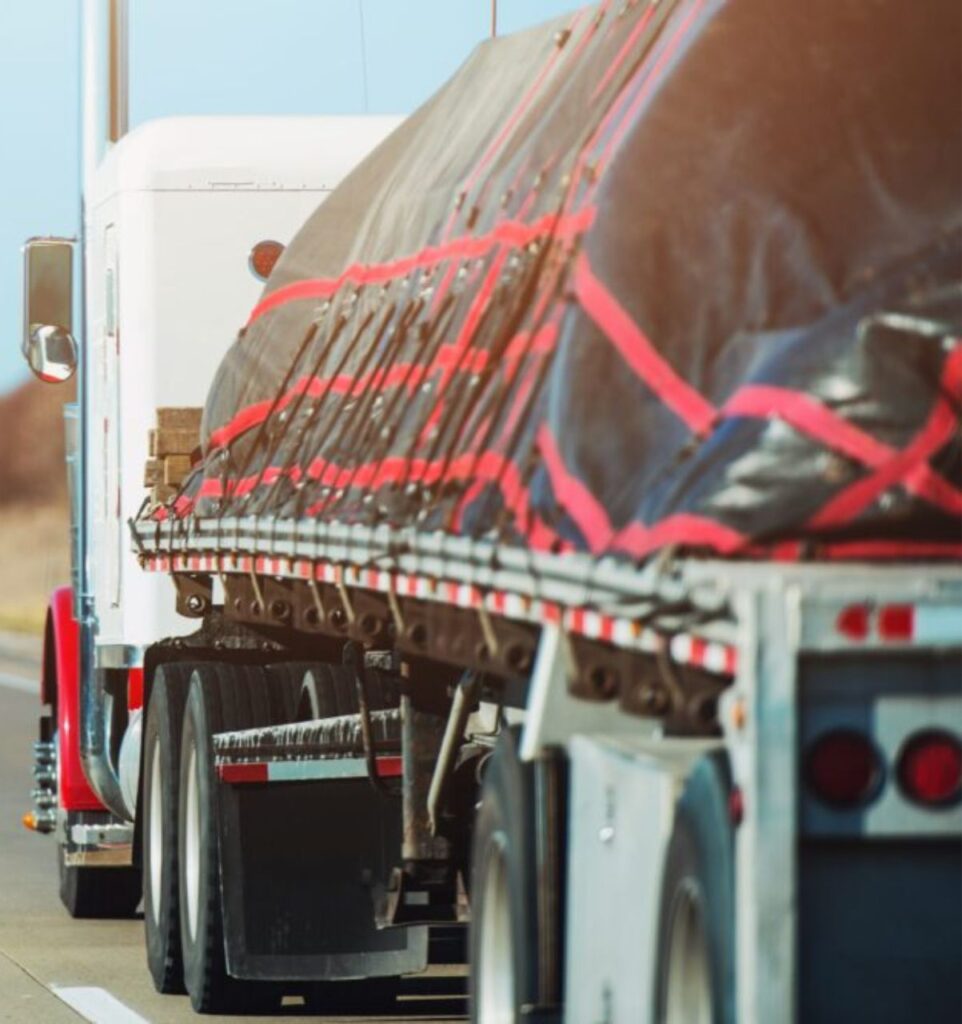
One of the primary advantages of flatbed freight is accessibility. Because there are no trailer walls or roof, cargo can often be loaded from the side, overhead, or by crane, making this equipment suitable for freight that would be difficult or impossible to load into an enclosed trailer.
Many industries rely on flatbed equipment when shipping products with irregular dimensions or freight that requires specialized loading equipment. Proper planning also helps determine whether additional securement or handling considerations may be necessary before transportation begins.
Planning Flatbed Freight Shipping
Successful shipments begin with accurate freight information. Before requesting a quote, businesses should prepare the details needed to evaluate equipment requirements and shipment planning.
Helpful information includes:
Pickup and delivery locations
Cargo dimensions
Total shipment weight
Commodity description
Loading and unloading method
Required delivery schedule
Any known handling requirements
Providing complete shipment information helps coordinate flatbed freight shipping more efficiently and reduces the likelihood of delays caused by equipment or loading issues.
Choosing the Right Equipment for Specialized Freight
Not every shipment requiring open-deck transportation uses the same trailer. Cargo dimensions, weight distribution, loading method, and route all influence equipment selection. Evaluating these factors before scheduling freight helps identify the most suitable shipping solution.
Businesses moving palletized products that fit inside enclosed trailers may benefit from Dry Van Trucking, while shipments requiring dedicated enclosed trailers can be coordinated through Full Truckload (FTL) Services.
Why Businesses Choose Flatbed Trucking Services
Moving oversized or irregular freight requires careful planning before the shipment leaves the pickup location. Equipment selection, loading procedures, cargo securement, and route considerations all contribute to a successful shipment.
Norfleet Transportation works with customers to review shipment specifications and coordinate freight movement based on each shipment’s unique requirements. Every load is evaluated individually to help determine the most appropriate solution for the cargo being transported.
Request a Flatbed Freight Quote
If your shipment requires open-deck transportation, Norfleet Transportation can help determine whether flatbed trucking is the right fit for your freight. Our team can review your cargo dimensions, loading requirements, pickup and delivery details, and other shipment considerations to help identify an appropriate transportation option across the United States.
Contact Norfleet Transportation today to request a freight quote or discuss your specialized freight requirements with our transportation team.
What types of freight are typically transported on a flatbed trailer?
Flatbed trailers are commonly used for freight that cannot fit inside an enclosed trailer. Examples include structural steel, lumber, industrial machinery, construction materials, large pipes, equipment, and oversized commercial components that require side or overhead loading. For shipments requiring specialized trucking, equipment selection should be based on the cargo’s specific requirements.
When should a business choose flatbed shipping instead of dry van transportation?
Flatbed shipping is generally the better option when cargo exceeds standard trailer dimensions, requires crane or forklift loading from the side, or cannot be loaded through rear trailer doors. Enclosed trailers are typically better suited for palletized freight that needs protection from weather.
What information helps determine the right flatbed trailer for a shipment?
To evaluate equipment requirements, businesses should provide the freight dimensions, total weight, commodity description, pickup and delivery locations, loading method, and any special handling considerations. Accurate shipment details help identify the most appropriate equipment before scheduling transportation.
What industries commonly rely on flatbed carriers?
Many industries use flatbed carriers, including construction, manufacturing, agriculture, energy, infrastructure, heavy equipment distribution, and industrial supply. Open-deck trailers provide flexibility for cargo that cannot be transported in standard enclosed equipment.
Can specialized freight be transported without custom equipment?
Some types of specialized freight can move on a standard flatbed trailer, while others may require different trailer configurations depending on the cargo dimensions, weight, or loading requirements. Equipment selection should always be based on the shipment’s specifications.
Thank You!
Thanks for the submission. We will get back to you right away!