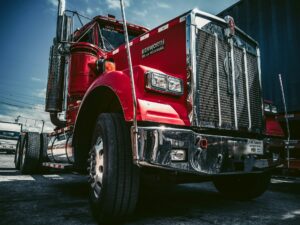
Moving commercial freight across an international border requires more than arranging transportation between two locations. Businesses need to consider routing, shipment details, delivery schedules, documentation, and communication between the parties involved in the shipment.
Norfleet Transportation coordinates cross-border shipping for businesses in the United States that need transportation support for commercial freight moving across national borders. Businesses can also review our Transportation Services for additional freight solutions. Our team reviews shipment requirements and transportation details to help coordinate an appropriate freight solution based on the needs of each shipment.
When Cross-Border Shipping Is the Right Fit
Businesses that purchase, manufacture, distribute, or sell products internationally may need transportation solutions that support regular or occasional cross-border freight movement. The appropriate approach depends on the type of cargo, origin, destination, scheduling requirements, and other shipment considerations.
Cross-border transportation may be used for:
Manufacturing materials and components
Retail and wholesale inventory
Consumer products
Industrial equipment
Commercial goods
Distribution shipments
Supply chain replenishment
The transportation requirements can vary significantly between shipments, so businesses should provide accurate freight and scheduling information before transportation is arranged.
Coordinating Cross-Border Logistics
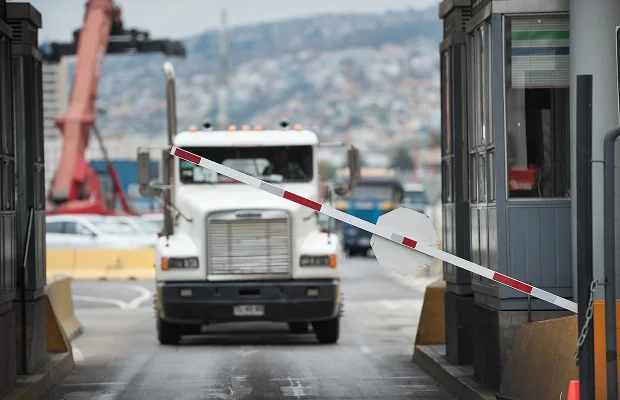
Effective cross-border logistics requires coordination before freight begins its journey. Shipment details, pickup and delivery locations, routing requirements, scheduling, and border-related considerations can all influence how transportation is planned.
A coordinated cross-border shipping service can help businesses organize the transportation process and maintain communication as freight moves between locations. Clear information from the beginning also gives the transportation provider a better understanding of the shipment and its delivery requirements.
For companies with recurring international freight needs, working with a dedicated transportation partner can make shipment planning more consistent and easier to manage.
Freight Commonly Moved Across Borders
Cross-border freight can involve many types of commercial cargo. Businesses may use international transportation to support manufacturing operations, replenish inventory, fulfill customer orders, or move products between distribution locations. Depending on the shipment and route, ocean freight can be considered for suitable international cargo.
Common examples include:
Manufacturing components
Packaged consumer goods
Retail merchandise
Industrial products
Commercial equipment
Distribution inventory
Non-perishable products
Recurring supply chain shipments
The suitability of a cross-border transportation solution depends on the freight, route, delivery requirements, and other shipment-specific considerations.
Preparing a Cross-Border Freight Shipment
Successful cross-border transportation starts with complete and accurate shipment information. Businesses should have the pickup and delivery locations, freight description, dimensions and weight, preferred shipping date, delivery requirements, and any relevant transportation or handling instructions available before requesting service.
Providing complete information helps the transportation provider understand the shipment and evaluate the appropriate transportation requirements. This is particularly important when freight must move between countries and multiple parties are involved in coordinating the shipment.
Businesses should also communicate changes to freight details, pickup schedules, or delivery requirements as early as possible. Clear communication can help reduce avoidable issues during transportation planning and support better coordination throughout the shipment.
Managing Your Cross-Border Shipping Requirements
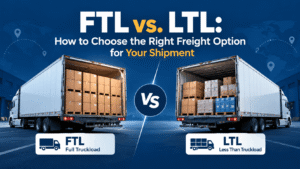
International freight requirements can change based on customer demand, inventory levels, production schedules, and shipping volumes. A business may have recurring cross-border shipments, while another may require transportation only for specific orders or supply chain needs. For larger shipments requiring dedicated trailer capacity, full truckload transportation may be an appropriate option depending on the route and freight requirements.
Norfleet Transportation works with businesses to review shipment requirements and coordinate transportation based on the circumstances of each load. Freight Brokerage Services can also be considered when businesses need assistance evaluating transportation options for their commercial freight.
The objective is to create a transportation approach that fits the shipment rather than applying the same solution to every cross-border movement.
Request a Cross-Border Shipping Quote
Planning an international shipment starts with understanding the freight, origin, destination, and delivery requirements. Norfleet Transportation can discuss your shipment details and help determine an appropriate transportation approach for your cross-border freight.
Provide the relevant shipment information, including freight type, dimensions and weight, pickup and delivery locations, and preferred shipping schedule, so the transportation team can better understand your requirements.
Cross-border shipping involves transporting commercial goods between countries. It requires transportation planning that accounts for the shipment, route, delivery requirements, and considerations associated with moving freight across an international border.
Which businesses commonly use this type of shipping?
Manufacturers, distributors, retailers, wholesalers, and other commercial organizations may use cross-border transportation to move inventory, production materials, finished goods, equipment, and other freight between countries.
What should businesses consider before shipping freight across a border?
Businesses should consider the freight type, shipment dimensions and weight, pickup and delivery locations, required delivery timeframe, routing requirements, and documentation or border-related requirements applicable to the shipment. For shipments where shorter transit times are important, air freight may also be considered.
How does cross-border logistics differ from domestic transportation?
Domestic transportation generally involves moving freight within one country, while cross-border logistics requires coordination for a shipment moving between countries. Routing, border procedures, documentation, and communication between parties can add additional planning considerations.
What information is needed for a cross-border freight quote?
Businesses should be prepared to provide the pickup and delivery locations, freight description, shipment dimensions and weight, preferred shipping date, delivery requirements, and any special transportation or handling considerations.
Thank You!
Thanks for the submission. We will get back to you right away!