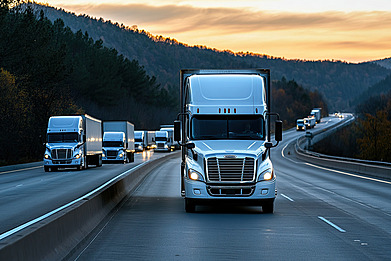
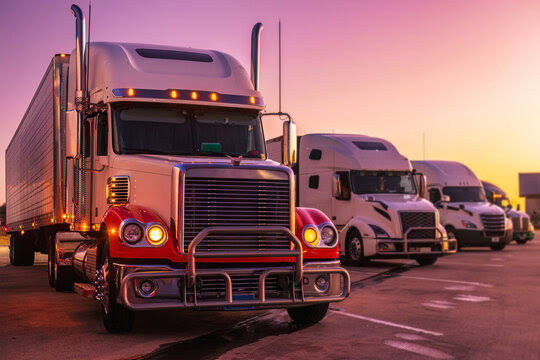
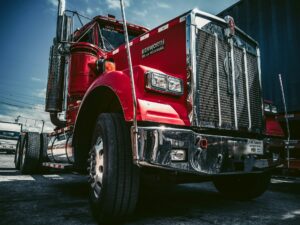
For businesses moving general freight across the United States, enclosed trailer transportation provides a practical way to protect goods during transit without specialized temperature control. Dry van trucking is commonly used for palletized, boxed, and packaged products across manufacturing, retail, wholesale, and distribution operations. It can accommodate a broad range of commercial freight while keeping cargo enclosed throughout transportation.
Norfleet Transportation coordinates dry van shipments based on freight characteristics, pickup and delivery requirements, shipment size, and scheduling needs. By reviewing these details before transportation is arranged, our team can help businesses identify an appropriate solution for moving commercial freight efficiently within the U.S. transportation network.
When Dry Van Transportation Is the Right Choice
Not every shipment requires specialized equipment. Dry van transportation is well suited for freight that can safely move in a fully enclosed trailer without refrigeration, flatbed loading, or oversized handling.
Common examples include:
Palletized products
Packaged consumer goods
Retail inventory
Manufacturing materials
Industrial supplies
Paper products
Building materials that do not require open-deck transport
Shipment requirements, loading methods, delivery schedules, and cargo characteristics all help determine whether this shipping method is appropriate.
Freight Commonly Moved in Dry Van Trailers
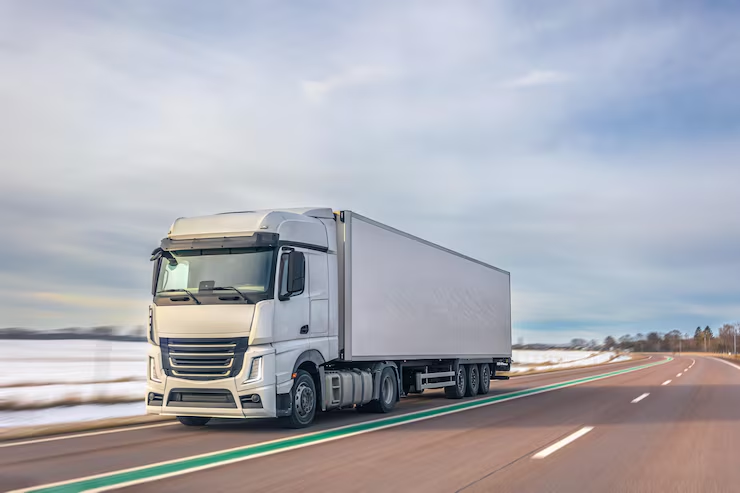
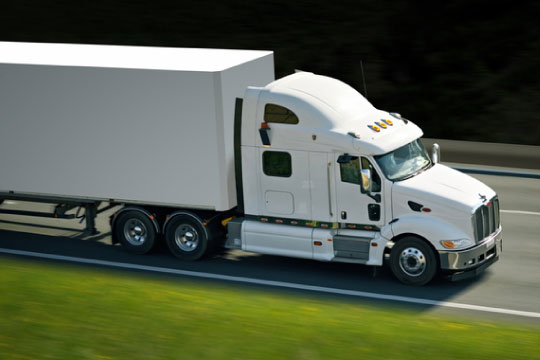
One of the advantages of dry van freight is its flexibility. Enclosed trailers accommodate a wide range of commercial shipments while helping protect cargo from weather, dust, and road debris during transit.
Many businesses rely on dry van trailers for routine freight movement because they support standard dock loading and are compatible with most warehouses, manufacturing facilities, and distribution centers.
Planning Dry Van Shipments
Careful shipment planning helps improve efficiency from pickup through delivery. Before requesting a quote, businesses should gather complete shipment information so equipment requirements and scheduling can be reviewed.
Helpful shipment details include:
Pickup and delivery locations
Freight dimensions and weight
Number of pallets or shipping units
Commodity description
Loading and unloading requirements
Requested delivery schedule
Providing accurate information helps determine the most appropriate equipment and routing for dry van shipping.
Choosing the Right Truckload Solution
Every shipment has different transportation requirements. While dry van trailers are suitable for many types of commercial freight, some shipments may require specialized equipment depending on cargo dimensions, weight, or handling needs.
Businesses depend on consistent freight movement to support production, inventory management, and customer deliveries. Dry van freight services provide a practical solution for transporting general commercial cargo that does not require specialized trailers.
Norfleet Transportation works with customers to review shipment requirements, coordinate pickup and delivery schedules, and identify shipping solutions based on each shipment’s specific needs. Every load is planned according to its freight characteristics and delivery expectations.
Request a Dry Van Trucking Quote
If your business moves palletized, boxed, or general commercial freight, dry van trucking can provide a practical transportation option for shipments that do not require specialized equipment. Norfleet Transportation can review your freight details, pickup and delivery requirements, and scheduling needs to help determine an appropriate solution within the U.S. transportation network.
Contact Norfleet Transportation today to request a freight quote or discuss your dry van shipping requirements with our transportation team.
Dry van trucking uses fully enclosed trailers to transport general commercial freight that does not require refrigeration or specialized equipment. It is one of the most common shipping methods for palletized and packaged goods.
What types of freight can be shipped in a dry van trailer?
Many types of commercial freight can be transported, including retail inventory, consumer goods, manufacturing materials, industrial products, paper products, and other packaged cargo that needs protection from weather during transit.
When should businesses choose dry van freight shipping?
Dry van freight shipping is often the right choice for standard commercial shipments that fit within enclosed trailers and do not require temperature control, oversized equipment, or open-deck loading.
How do I know if I need a dry van carrier?
A dry van carrier may be the right option if your freight is palletized, dock-loadable, and suitable for enclosed trailer transportation. Shipment dimensions, commodity type, and delivery requirements all help determine the appropriate equipment.
Is a dry van truckload carrier different from an LTL provider?
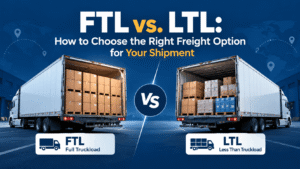
Yes. A dry van truckload carrier typically moves freight that occupies an entire trailer, while LTL providers combine multiple shipments from different customers into the same trailer.
Thank You!
Thanks for the submission. We will get back to you right away!